






Cuban coffee is known for its bold strength, rich aroma, and signature sweetness. It is a staple in Cuban culture and a daily ritual for many coffee lovers around the world. Unlike standard brewed coffee, Cuban coffee is defined by its preparation method and the way sugar is blended directly into the espresso.
This article breaks down everything you need to know about Cuban coffee in a clear and practical way. From its origins and flavor profile to a step-by-step guide on making it at home, this guide helps you understand why Cuban coffee stands out and how it compares to other popular coffee types.
What is Cuban coffee
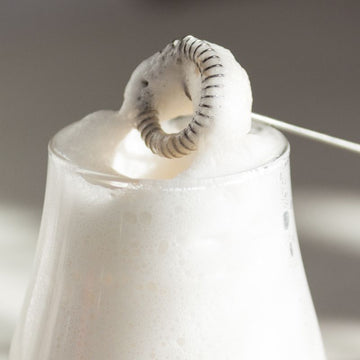
Cuban coffee is a style of coffee made using finely ground dark-roasted coffee and brewed under pressure, similar to espresso. What sets it apart is the use of sugar during preparation, not after brewing. The sugar is whipped with the first drops of coffee to create a thick, sweet foam that defines the drink.
Cuban coffee is commonly served in small cups and shared socially. It is strong, concentrated, and meant to be enjoyed in short, intense sips rather than as a large beverage.
Origin
Cuban coffee has its roots in Cuba’s long history of coffee cultivation and Spanish influence. Coffee plants were introduced to Cuba in the 18th century, and espresso-style brewing became popular through European traditions. Over time, Cubans developed their own preparation method that emphasized sweetness and intensity.
As Cuban communities spread to places like Florida and other parts of the United States, Cuban coffee culture traveled with them. Today, it is closely associated with Cuban cafés, especially in cities with strong Cuban heritage, where it remains a daily social ritual.
Taste
The taste of Cuban coffee is bold, rich, and noticeably sweet. The dark roast brings deep, slightly smoky flavors, while the sugar softens the bitterness without overpowering the coffee itself. The result is a balanced cup that feels intense but smooth.
Because it is brewed in small amounts, Cuban coffee has a concentrated mouthfeel similar to espresso. The sweet foam on top adds a creamy texture and enhances the aroma, making the overall experience more layered than standard black coffee.
Step-by-step guide on making Cuban coffee at home

Making Cuban coffee at home is simple, but the details matter. The strength, sweetness, and foam all depend on timing and technique. This step-by-step section of the Cuban coffee guide breaks the process down clearly, using traditional methods that deliver consistent results.
Tools and ingredients
Before starting, gather everything you need. Using the right tools makes a noticeable difference in flavor and texture.
-
Moka pot (stovetop espresso maker)
This is the most traditional tool for making Cuban coffee at home. A 3-cup or 6-cup moka pot works best for small servings. -
Finely ground dark roast coffee
Use an espresso grind, not coarse or drip grind. Cuban or espresso-labeled coffee beans are ideal, as it delivers a bold and concentrated flavor. -
Granulated white sugar
White sugar is traditionally used to create the foam. Avoid brown sugar or substitutes, as they do not whip properly. -
Filtered water
Clean water improves taste and prevents mineral buildup in the moka pot. -
Small heat-safe cup and spoon
These are used to whip the sugar and coffee into foam. -
Espresso cups
Cuban coffee is served in small portions, usually a few ounces at most.
Step-by-step instruction
Follow these steps closely to achieve the classic Cuban coffee flavor and foam.
-
Fill the moka pot with water
Pour water into the bottom chamber, stopping just below the safety valve. Overfilling can affect pressure and extraction. -
Add ground coffee to the filter basket
Fill the basket with finely ground coffee and level it gently. Do not tamp the grounds, as this can restrict water flow and cause bitterness. -
Assemble and heat the moka pot
Screw the top and bottom chambers together firmly. Place the moka pot on the stove over medium heat with the lid open. -
Prepare the sugar
Add sugar to a heat-safe cup. A common ratio is about one to two teaspoons of sugar per serving, but this can be adjusted based on preference. -
Collect the first drops of coffee
As the coffee begins to brew, watch closely. When the first dark drops appear, remove a small amount and pour it over the sugar. -
Whip the sugar and coffee
Stir the sugar and coffee mixture vigorously with a spoon. Continue whipping until it becomes thick, creamy, and lighter in color. This foam is known as espuma. -
Finish brewing
Allow the rest of the coffee to brew fully, then remove the moka pot from heat once the flow slows and turns lighter. -
Combine and serve
Pour the brewed coffee into the sugar foam and stir gently. Serve immediately in small cups, making sure each cup gets a layer of foam on top.
This method creates a strong, sweet coffee with a rich aroma and creamy texture, staying true to traditional Cuban coffee preparation.
Cuban coffee vs. other types of coffee
Cuban coffee is often confused with other strong coffee styles, especially those based on espresso. While they may look similar, differences in preparation, sweetness, and serving style set Cuban coffee apart. This comparison helps clarify how Cuban coffee differs from both commonly mistaken drinks and more popular coffee types.

Cuban coffee vs. espresso
Cuban coffee is brewed using an espresso-style method, but it is not the same as a standard espresso shot. The key difference is sugar. In Cuban coffee, sugar is mixed with the first drops of coffee during brewing to create a sweet foam. Espresso, on the other hand, is brewed without sugar and served plain unless sweetened afterward. Cuban coffee also tends to taste sweeter and slightly thicker due to the whipped foam.
Cuban coffee vs. cafecito
Cafecito is often used interchangeably with Cuban coffee, and in many cases, they refer to the same drink. Technically, cafecito is the most common form of Cuban coffee. It is a small, sweet espresso-style coffee served with foam on top. When people say Cuban coffee, they are usually referring to cafecito.
Cuban coffee vs. cortadito
A cortadito is a variation of Cuban coffee that includes steamed milk. It is similar in size to a cortado but uses sweetened Cuban espresso as the base. This makes the cortadito creamier and less intense than straight Cuban coffee, while still maintaining its signature sweetness.
Cuban coffee vs. American coffee
American coffee is brewed using drip or pour-over methods and served in much larger quantities. It is lighter in body, less concentrated, and usually unsweetened. Cuban coffee is much stronger, sweeter, and consumed in small portions. The two serve very different purposes and drinking experiences.
Cuban coffee vs. latte and cappuccino
Lattes and cappuccinos are milk-based espresso drinks that focus on balance and texture. They use espresso as a base but contain significantly more milk. Cuban coffee contains no milk unless modified and emphasizes strength and sweetness rather than creaminess. It is typically enjoyed quickly rather than slowly sipped.
Understanding these differences helps clarify why Cuban coffee stands out and why it cannot be directly replaced by other coffee styles.
Why Cuban coffee stands out
Cuban coffee is more than just a strong drink. It is a preparation style rooted in tradition, built around bold flavor, shared moments, and a unique brewing method. Its signature sweetness and concentrated strength make it stand apart from espresso and other popular coffee types.
Whether you are trying Cuban coffee for the first time or learning to make it at home, understanding how it works helps you appreciate it fully. With the right tools, technique, and expectations, Cuban coffee can become a simple but satisfying part of your daily routine.
FAQs
Is Cuban coffee stronger than espresso
Cuban coffee is similar in strength to espresso, but it often tastes stronger due to its sweetness and concentrated serving size. The whipped sugar foam enhances the perception of intensity without adding bitterness.
Can you make Cuban coffee without a moka pot
Yes, Cuban coffee can be made with an espresso machine, but a moka pot is the most traditional and accessible option for home use. The key factor is mixing sugar with the first drops of coffee to create foam.
Why is Cuban coffee sweet
Cuban coffee is sweet because sugar is added during brewing, not after. This method creates a creamy foam and balances the bitterness of dark-roasted coffee, defining its signature taste.


