





Hot chocolate is one of the easiest warm drinks to make, but the results can vary widely depending on the method and ingredients. From rich, thick styles to lighter, milk-based versions, small changes in preparation make a noticeable difference in flavor and texture.
This guide on how to make hot chocolate covers several practical methods, including using a machine, a milk frother, or just a stove and pot. Each approach includes clear, step-by-step instructions so you can choose the method that fits your kitchen and still end up with a satisfying cup.
Ingredients and equipment
Hot chocolate does not require many ingredients, but quality and proportion matter. The type of chocolate, milk, and tools you use will influence richness, sweetness, and texture. Below is a breakdown of the common ingredients and equipment used across most hot chocolate methods.
Common ingredients for hot chocolate
-
Chocolate: You can use cocoa powder, chocolate bars, or chocolate chips. Unsweetened cocoa powder produces a lighter, more controlled flavor, while real chocolate creates a thicker and richer drink. Dark chocolate offers depth, while milk chocolate results in a sweeter cup.
-
Milk: Whole milk is the most common choice because it provides creaminess and body. Lower-fat milk works but produces a thinner texture. Non-dairy options like oat milk, almond milk, or soy milk can also be used, though each changes flavor and thickness.
-
Sweetener: Granulated sugar is standard, but honey, maple syrup, or condensed milk can be used depending on preference. The amount depends on the chocolate type and desired sweetness.
-
Optional flavorings: Vanilla extract, cinnamon, nutmeg, or a pinch of salt can enhance flavor without overpowering the chocolate. These additions are optional but commonly used.
Equipment you may need
-
Heat source: A stovetop, electric hot plate, or built-in heating function on a machine is necessary to warm the milk without boiling it.
-
Pot or saucepan: Used for stovetop methods. A heavy-bottomed pot helps prevent scorching and allows even heating.
-
Whisk or spoon: Whisking helps dissolve chocolate and prevents clumps. A spoon works but requires more stirring.
-
Milk frother or hot chocolate machine: These tools automate heating and mixing, making the process faster and more consistent.
Having these basic ingredients and tools ready makes it easier to switch between different hot chocolate methods depending on time and equipment.
Making hot chocolate using different methods
Hot chocolate can be made in several ways depending on the tools you have available. Each method follows the same basic idea—heat the milk, dissolve the chocolate, and balance sweetness—but the steps and level of control vary. Below are detailed, step-by-step instructions for the most common methods.
Making hot chocolate with a machine
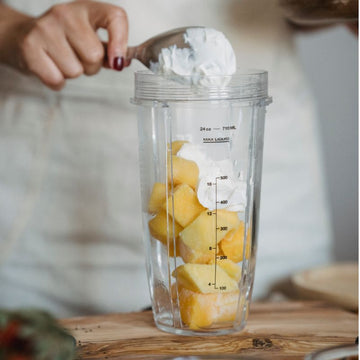
Hot chocolate machines and multi-function drink makers are designed to heat and mix at the same time. This method is convenient and consistent, especially for daily use.
Step-by-step instructions
-
Measure the milk: Pour the recommended amount of milk into the machine. Most machines work best when filled within their minimum and maximum level markings.
-
Add chocolate or cocoa mix: Add cocoa powder, chocolate chips, or chopped chocolate directly into the milk. If the chocolate is unsweetened, add sugar at this stage.
-
Select the hot chocolate setting: Choose the dedicated hot chocolate or heating program. If your machine does not have one, select a low to medium heat option with stirring enabled.
-
Let the machine heat and mix: The machine will gradually heat the milk while stirring, allowing the chocolate to dissolve evenly without clumping.
-
Taste and adjust: Once finished, taste the hot chocolate. Adjust sweetness or thickness if needed by adding sugar or a small splash of milk.
-
Serve immediately: Pour into a mug while hot. Hot chocolate made by machine tends to cool quickly once poured.
Making hot chocolate with a milk frother
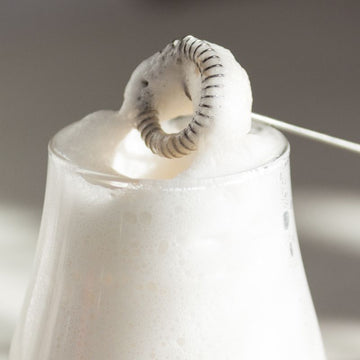
A milk frother works well for small servings and produces a smooth, lightly foamed texture.
Step-by-step instructions
-
Heat the milk: If your frother has a heating function, add cold milk directly. If not, heat the milk separately until warm but not boiling.
-
Add chocolate or cocoa powder: Add chocolate or cocoa powder into the frother along with any sweetener. Using finely chopped chocolate helps it melt faster.
-
Start the frothing cycle: Activate the frother. The spinning whisk mixes and aerates the milk, helping dissolve the chocolate.
-
Check consistency: After the cycle ends, check if the chocolate is fully dissolved. If needed, run a second short cycle.
-
Pour and finish: Pour into a mug and add optional toppings like marshmallows or cinnamon.
Making hot chocolate with only a stove and pot
This is the most traditional and flexible method, allowing full control over heat and thickness.
Step-by-step instructions
-
Add milk to a pot: Pour milk into a small saucepan and place it over low to medium heat.
-
Warm the milk slowly: Heat the milk until it is hot but not boiling. Stir occasionally to prevent scorching.
-
Add chocolate and sweetener: Add cocoa powder or chopped chocolate along with sugar. Whisk continuously to dissolve.
-
Simmer gently: Continue heating while whisking until the chocolate is fully incorporated and the drink thickens slightly.
-
Adjust flavor: Add vanilla extract, salt, or spices if desired. Taste and adjust sweetness.
-
Serve hot: Remove from heat and pour into a mug immediately.
Other methods of making hot chocolate
Some situations call for simpler or faster approaches. While these methods may sacrifice some richness, they still produce a satisfying cup.
Microwave method
-
Heat milk in a microwave-safe mug in short intervals.
-
Add cocoa powder or chocolate and stir thoroughly.
-
Return to the microwave briefly if needed to fully dissolve.
-
Stir again and serve.
Instant mix method
-
Add hot milk or hot water to a mug.
-
Stir in hot chocolate mix according to package instructions.
-
Adjust sweetness or richness by adding extra milk or chocolate.
Each method has its advantages. Machines offer consistency, frothers create texture, stovetop methods allow precision, and quick methods prioritize convenience. Choosing the right approach depends on time, tools, and personal preference.
Sides to go with your hot chocolate
Hot chocolate pairs well with both sweet and lightly salty sides. Choosing the right accompaniment can change the overall experience, making the drink feel richer, more balanced, or more indulgent. Below are common pairings along with a few ideas that add variety without overcomplicating things.
Classic hot chocolate pairings
-
Marshmallows: Soft marshmallows melt slowly into hot chocolate, adding sweetness and a creamy texture. Mini marshmallows distribute more evenly, while large ones create a richer top layer.
-
Cookies: Chocolate chip, shortbread, and sugar cookies are popular choices. Their firm texture contrasts well with the warm drink, and they are easy to dip without falling apart.
-
Whipped cream: A simple topping that adds richness. Lightly sweetened whipped cream balances darker chocolate flavors and cools the drink slightly.
Bakery-style sides
-
Biscotti: Crisp biscotti hold up well when dipped into hot chocolate. They add texture without overpowering the drink.
-
Croissants or pastries: Plain or lightly sweet pastries pair well with less sweet hot chocolate, creating a café-style combination.
-
Brownies or cake slices: Dense chocolate desserts work best with less sweet hot chocolate to avoid flavor overload.
Simple upgrades to make it different
-
Spiced toppings: A dusting of cinnamon, cocoa powder, or nutmeg on whipped cream adds aroma and depth.
-
Salted sides: Pretzels or lightly salted cookies create contrast and highlight the sweetness of the drink.
-
Flavored marshmallows: Vanilla, caramel, or peppermint marshmallows add variation without changing the base recipe.
-
Chocolate shavings or curls: Adding shaved chocolate on top reinforces the chocolate flavor while improving presentation.
Pairing hot chocolate with the right side turns it from a simple drink into a complete treat. Small additions can change the experience without requiring major adjustments to the recipe.
A flexible drink for any kitchen
Hot chocolate is easy to make, but it offers plenty of room for adjustment. Whether you use a machine, a frother, or just a pot on the stove, the core process stays simple while the results can vary in richness, sweetness, and texture.
By understanding different methods and pairing ideas, you can tailor each cup to your taste and available tools. With a few basic ingredients and the right approach, hot chocolate becomes a repeatable comfort drink rather than a one-off treat.
FAQs
Why does homemade hot chocolate sometimes taste grainy?
Graininess usually comes from cocoa powder not fully dissolving or from overheating milk. Using a whisk, adding cocoa slowly, and keeping the heat below boiling helps create a smoother texture.
Is hot chocolate better made with real chocolate or cocoa powder?
Real chocolate produces a thicker, richer drink because it contains cocoa butter, while cocoa powder offers more control over sweetness and intensity. The better option depends on whether you prefer richness or a cleaner chocolate flavor.
How can you make hot chocolate richer without adding more sugar?
Using whole milk, adding a small amount of cream, or incorporating dark chocolate instead of extra sweetener increases richness without making the drink overly sweet.


