





Cauliflower salad is a versatile dish that works just as well as a light lunch as it does as a side for grilled meats, roasted chicken, or seafood. Depending on how it’s prepared, it can be crisp and refreshing, warm and hearty, or somewhere in between. The mild flavor of cauliflower makes it an ideal base for bold dressings, herbs, and add-ins like nuts, cheese, or fresh vegetables.
This cauliflower salad recipe focuses on balance. You’ll get a mix of texture, acidity, and richness without masking the natural flavor of the cauliflower. It’s easy to scale for meal prep, gatherings, or quick weeknight meals, and it can be adjusted to suit different diets or seasonal ingredients. If you’re looking for a salad that feels substantial without being heavy, this is a solid place to start.
Ingredients, equipment, and recipe details
Ingredients
This cauliflower salad is built around simple, flexible ingredients that layer flavor and texture without overwhelming the dish. You can adjust quantities or swap add-ins based on what you have on hand.
-
Cauliflower – Fresh, firm cauliflower is the star. You can use it raw for crunch or lightly roasted for a deeper, nuttier flavor.
-
Olive oil – A good-quality extra virgin olive oil adds richness and helps carry the flavors of the dressing.
-
Acid (lemon juice or vinegar) – Lemon juice keeps things bright and fresh, while red wine vinegar or apple cider vinegar adds a sharper edge.
-
Garlic – Minced or finely grated; optional but highly recommended for depth.
-
Fresh herbs – Parsley, dill, mint, or cilantro all work well depending on the flavor direction you want.
-
Crunchy add-ins – Toasted almonds, walnuts, pine nuts, or sunflower seeds for texture.
-
Cheese (optional) – Feta, shaved parmesan, or goat cheese add saltiness and creaminess.
-
Extra vegetables (optional) – Red onion, cucumber, cherry tomatoes, radishes, or bell peppers.
-
Salt and black pepper – Essential for seasoning and balance.
-
Optional spices – Cumin, paprika, sumac, or chili flakes if you want extra warmth or brightness.
Equipment
You don’t need anything fancy to make this salad, but having the right basics makes prep quicker and cleaner.
-
Sharp chef’s knife – For cutting the cauliflower into even florets.
-
Cutting board – Preferably a large one to handle the cauliflower easily.
-
Large mixing bowl – To toss everything together without spills.
-
Small bowl or jar – For mixing the dressing.
-
Sheet pan (optional) – If you’re roasting the cauliflower.
-
Oven or stovetop – Only needed if you choose the roasted version.
-
Whisk or fork – To emulsify the dressing.
Additional information on the dish
How long to make
-
Prep time: 15 minutes
-
Cook time (if roasting): 20–25 minutes
-
Total time: 15 minutes (raw version) or about 40 minutes (roasted version)
Serve size
-
Serves 4 as a side dish
-
Serves 2–3 as a light main or meal-prep salad
Nutrition (approximate, per serving)
-
Calories: 180–250 (depending on add-ins)
-
High in fiber and vitamin C
-
Naturally low in carbohydrates
-
Can be made gluten-free, vegetarian, or vegan with simple swaps
Difficulty
-
Easy. This recipe is beginner-friendly, requires minimal cooking skills, and is forgiving if you adjust ingredients or seasoning to taste.
Step-by-step instructions
This cauliflower salad can be made raw for crunch or roasted for depth, and the steps below walk you through both options so you can choose what suits your meal. Read through once before starting so you understand the flow and timing.

Step 1: Prepare the cauliflower
Start by removing the outer leaves from the cauliflower and trimming off the thick base of the stem. Cut the head into evenly sized florets. Try to keep them similar in size so they cook evenly if roasting and feel balanced when eating raw.
If the florets are large, slice them in half or into bite-sized pieces. Smaller, evenly cut pieces help the dressing coat the cauliflower properly and make the salad easier to eat.
Rinse the florets under cold water and dry them thoroughly using a clean kitchen towel or paper towels. Removing excess moisture is especially important if you plan to roast the cauliflower, as wet florets won’t caramelize properly.
Step 2: Decide between raw or roasted cauliflower
For raw cauliflower (crisp and fresh): Place the dried florets directly into a large mixing bowl. Raw cauliflower has a mild, slightly sweet crunch that works well with acidic dressings and fresh herbs.
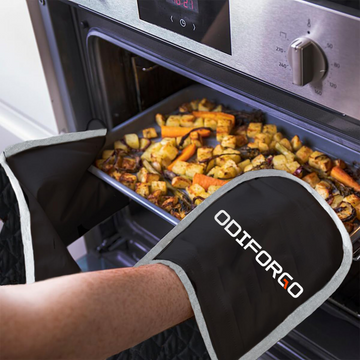
For roasted cauliflower (warm and hearty): Preheat your oven to 425°F (220°C). Spread the cauliflower florets on a sheet pan in a single layer. Drizzle with olive oil, sprinkle with salt and black pepper, and toss to coat evenly.
Roast for 20–25 minutes, flipping halfway through, until the edges are golden and lightly caramelized. The cauliflower should be tender but not mushy. Remove from the oven and let it cool slightly before assembling the salad. Warm cauliflower absorbs dressing well, but it shouldn’t be piping hot when mixed.
Step 3: Prepare the dressing
In a small bowl or jar, combine olive oil and your chosen acid (lemon juice or vinegar). Add finely minced or grated garlic if using. Season with salt and freshly ground black pepper.
Whisk or shake the mixture until it emulsifies and looks slightly thickened. Taste the dressing and adjust as needed:
-
Add more acid if it tastes flat
-
Add more oil if it’s too sharp
-
Add a pinch of salt if flavors feel muted
If using spices like cumin, paprika, or sumac, whisk them into the dressing now so they distribute evenly throughout the salad.
Step 4: Prep the add-ins
Finely slice red onion or shallots if using. If you want a milder flavor, soak the sliced onion in cold water for 5–10 minutes, then drain and pat dry.
Chop any additional vegetables into small, even pieces. Halve cherry tomatoes, dice cucumber, or thinly slice radishes so they blend naturally with the cauliflower.
Toast nuts or seeds in a dry skillet over medium heat for 2–4 minutes, stirring frequently, until fragrant. Remove from heat immediately to prevent burning and let them cool.
Finely chop fresh herbs just before assembling to preserve their aroma and color.
Step 5: Assemble the salad
Add the cauliflower (raw or roasted) to a large mixing bowl. Pour about two-thirds of the dressing over the cauliflower and toss gently to coat. Let it sit for 5 minutes. This brief rest allows the cauliflower to absorb flavor and soften slightly, especially if raw.
Add the remaining vegetables, herbs, and crunchy elements. Toss again gently, making sure everything is evenly distributed without breaking up the florets.
If using cheese, fold it in last to prevent it from crumbling too much or dissolving into the dressing.
Step 6: Taste and adjust
Taste the salad carefully. This is where the dish comes together.
-
Add more salt if the flavors feel muted
-
Add more lemon or vinegar if it needs brightness
-
Add a drizzle of olive oil if it feels dry
-
Add chili flakes or black pepper if it needs warmth
Cauliflower can handle bold seasoning, so don’t be afraid to adjust until the salad tastes balanced and lively.
Step 7: Rest or serve immediately
You can serve the cauliflower salad right away, especially if using roasted cauliflower and fresh herbs for contrast. Alternatively, let it rest for 15–30 minutes before serving. Resting allows flavors to meld and often improves the overall taste.
For meal prep, store the salad in an airtight container in the refrigerator for up to 3 days. If possible, add herbs and nuts just before serving to keep them fresh and crisp.
Step 8: Final touches before serving
Just before serving, give the salad a gentle toss. Add a final squeeze of lemon, a drizzle of olive oil, or a pinch of flaky salt if desired. Garnish with extra herbs or a light sprinkle of toasted nuts for visual appeal and texture.
This cauliflower salad is flexible, forgiving, and designed to adapt — once you’ve made it once, you can easily adjust flavors and ingredients to suit your taste or what’s in your kitchen.
A cauliflower salad you’ll come back to again and again
Cauliflower salad is one of those dishes that proves simple ingredients can still feel thoughtful and complete. Whether you keep it crisp and raw or roast it for deeper flavor, this recipe is designed to adapt — to your pantry, your schedule, and your personal taste. It works as a side dish, a light main, or a make-ahead option that only gets better as it sits.
Once you’ve made it a few times, it becomes less about following steps and more about instinct: adjusting acidity, playing with herbs, and building texture in a way that feels natural. This is the kind of recipe that earns a permanent spot in your rotation because it’s reliable, flexible, and satisfying without being heavy.
Frequently asked questions about cauliflower salad

Can I make cauliflower salad ahead of time?
Yes. Cauliflower salad holds up well in the refrigerator for up to 3 days. For best results, add fresh herbs and crunchy toppings just before serving to keep their texture and flavor intact.
Is cauliflower salad better raw or roasted?
Both work well. Raw cauliflower gives the salad a fresh, crisp bite, while roasted cauliflower adds a warmer, nuttier flavor. The choice depends on the season, your preference, and how hearty you want the dish to feel.
How do I keep cauliflower from tasting bland?
Proper seasoning is key. Salt the cauliflower early, use enough acid in the dressing, and taste as you go. Cauliflower absorbs flavor well, so don’t be afraid to adjust seasoning until it tastes balanced and vibrant.
What proteins pair well with cauliflower salad?
This salad pairs well with grilled chicken, fish, lamb, or roasted chickpeas. It can also be served alongside grain dishes or added to wraps and bowls for a more filling meal.
Can I use frozen cauliflower?
Fresh cauliflower is recommended for the best texture. Frozen cauliflower tends to release excess moisture when thawed, which can make the salad watery and less crisp.


