





Croutons are a simple addition that can change the texture and flavor of a dish. Made from bread that is seasoned and baked until crisp, they add crunch to salads, soups, and even pasta dishes. Homemade croutons also give you more control over seasoning, size, and level of crispness compared to store-bought options.
This guide to making croutons walks through the process step by step, from choosing the right bread to achieving an even golden finish. The recipe is flexible, easy to scale, and works well as a way to use up day-old bread.
Ingredients, equipment, and recipe details
Homemade croutons use basic pantry items and minimal tools. The ingredients can be adjusted depending on how you plan to use the croutons, but the core method stays the same.
Ingredients
-
Bread: Day-old bread works best because it dries out more easily and crisps faster. White bread, sourdough, baguette, or whole wheat all work, each producing a slightly different texture.
-
Olive oil or butter: Olive oil creates lighter, crisp croutons, while butter adds richness and a deeper flavor. Some recipes use a mix of both.
-
Salt: A small amount enhances flavor without overpowering the bread.
-
Optional seasonings: Garlic powder, dried herbs, black pepper, or grated cheese can be added depending on the dish the croutons will be used for.
Equipment
-
Cutting board and knife
-
Mixing bowl
-
Baking sheet
-
Oven
Additional information on the dish
-
How long to make: Preparation takes about 5 to 10 minutes, with baking time around 15 to 20 minutes.
-
Serving size: One standard loaf of bread yields about 4 to 5 cups of croutons.
-
Nutrition: Croutons are primarily carbohydrates, with fat content depending on the amount of oil or butter used.
-
Difficulty: Easy. The recipe involves basic chopping and baking, making it suitable for beginners.
Step-by-step instructions
Making croutons at home is straightforward, but a few small choices affect how crisp, flavorful, and evenly baked they turn out. The steps below focus on texture, seasoning, and timing so the croutons end up golden rather than dry or burnt.

Step 1: Preheat the oven
Preheat your oven to 375°F (190°C). This temperature allows the bread to dry out and toast evenly without burning too quickly. While the oven heats, line a baking sheet with parchment paper if desired to prevent sticking and make cleanup easier.
Step 2: Prepare the bread
Cut the bread into evenly sized cubes, usually about ¾ to 1 inch. Keeping the pieces uniform helps them bake at the same rate. If the bread is very fresh and soft, leave the cubes out at room temperature for 10 to 15 minutes to dry slightly before seasoning.
Avoid cutting the cubes too small, as they can over-toast and become hard rather than crisp.
Step 3: Season the bread
Place the bread cubes in a large mixing bowl. Drizzle olive oil or melted butter over the bread, starting with a small amount and adding more as needed. The bread should be lightly coated, not soaked.
Sprinkle with salt and any optional seasonings such as garlic powder, dried herbs, or black pepper. Toss gently until all pieces are evenly coated. Proper mixing ensures consistent flavor and browning.
Step 4: Arrange on the baking sheet
Spread the seasoned bread cubes in a single layer on the baking sheet. Leave a little space between pieces so air can circulate. Overcrowding traps steam and prevents crisping.
If making a large batch, use two baking sheets rather than piling the bread on one.
Step 5: Bake and stir
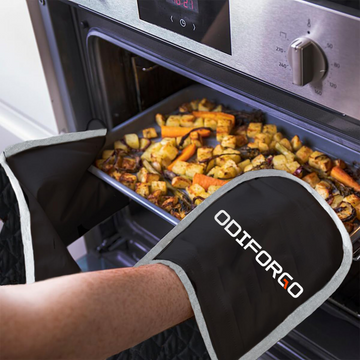
Place the baking sheet in the oven and bake for 10 minutes. Remove the pan and stir or flip the croutons to promote even browning. Return the pan to the oven and continue baking for another 5 to 10 minutes, checking frequently toward the end.
The croutons are ready when they are dry, crisp, and lightly golden on all sides.
Step 6: Cool and crisp fully
Remove the baking sheet from the oven and let the croutons cool completely on the pan. They will continue to crisp as they cool. Avoid covering them while warm, as trapped steam can soften the texture.
Step 7: Store or use immediately
Once cooled, use the croutons right away or store them in an airtight container at room temperature. Properly baked croutons stay crisp for several days.
Following these steps helps ensure homemade croutons that are evenly crisp, well-seasoned, and suited for salads, soups, and other dishes.
A simple upgrade for everyday dishes
Homemade croutons are an easy way to add texture and flavor without relying on packaged options. With just bread, oil, and a few seasonings, you can create croutons that are fresher, more customizable, and better suited to the dish you are serving.
Once you understand the basic method, the recipe becomes flexible. Different breads, seasonings, and baking times allow you to adjust crunch and flavor, making croutons a practical staple rather than an occasional extra.
FAQs about making croutons
What type of bread makes the best croutons?
Sturdy breads like sourdough, baguette, or rustic loaves work best because they hold their shape and crisp evenly. Very soft sandwich bread can still be used but may produce lighter, less crunchy croutons.
Why are my croutons hard instead of crisp?
Croutons become hard when baked too long or at too high a temperature. Using moderate heat and removing them once dry and golden helps keep them crisp rather than dense.
Can homemade croutons be frozen?
Yes. Once completely cooled, croutons can be frozen in an airtight container for up to one month. Reheat them briefly in the oven to restore crispness before serving.


